
Do you have an excellent cosmetic formula in your hands and want to launch your line on the market? One of the most crucial choices you have before you is that of packaging or packaging. And it is not a single choice, but a triple one. The three types of packaging – primary, secondary, and tertiary – play different roles and can be three winning moves in your marketing and communication strategy. In this article, we will see together what are the main features and how to make the most correct choices in order not to waste time and money.
Indice
Primary packaging for cosmetics: what you need to know
Primary packaging is that which is in close contact with the product, whether it is a cream, a fluid, a liquid, or other texture. The primary role of primary packaging is to keep the product intact in terms of formula and texture. The cosmetic must reach the consumer intact because it always comes into contact with parts of the body. For this reason, its container must ensure maximum hygiene and wholesomeness. And nowadays it must-have characteristics of sustainability, first of all as regards the material. Even plastic, one of the most used materials due to its lightness and versatility, can be of various types for recyclability and hygiene.
Glass and metal as primary packaging for cosmetics
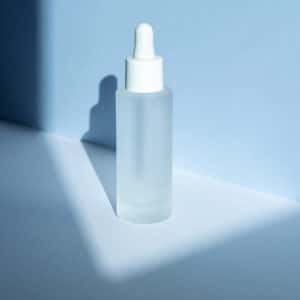
Glass is one of the most popular materials for high-level cosmetics because it is hygienic, odourless, and tasteless, but also sustainable because it is 100% recyclable. But … there is also a but because the weight of the glass affects the energy required for the delivery of the products themselves. Furthermore, being very fragile, it requires special packaging for transport. In addition, some cosmetics, for example, certain oils, are sensitive to light so the primary packaging must be made of dark glass. The other material used for cosmetics is metal, which gives a particular charm to the packaging. In some very innovative cases, paper is used as primary packaging, in search of sustainable solutions (the paper is 100% recyclable) and refined like this one.
Primary packaging for cosmetics: choosing the shape
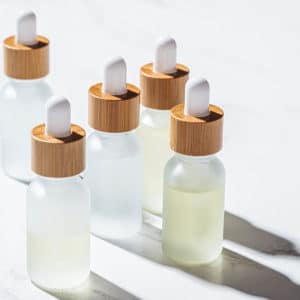
In addition to the material, equally essential for primary packaging is the shape, which must be adapted to the consistency of the product, intuitively (for a liquid, will a jar or a bottle be better?). Today there are many different shapes, beyond the classic jar, with ergonomic shapes and also enriched by details that make the packaging easier to use: dispenser with pump to dose the product, caps that close with one hand, airless systems that they never put the product in contact with their hands (we talked about it in this other article).
Contact us for more information about our services

Primary packaging for cosmetics: legal writings
Primary packaging conveys the product throughout its use. For this reason, the law requires that all the information necessary for recognition and correct use be present. You will therefore have to provide the list of ingredients, the quantity, the expiry date, any precautions, the function of the product, the company name of the manufacturer, and the indication of the country of origin. Find all the information on the website of the Ministry of Health in the space dedicated to the wording for cosmetics.
Secondary packaging for cosmetics: essential for selling
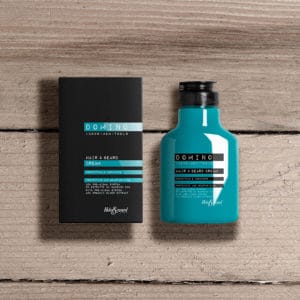
Many cosmetics are sold directly with the primary packaging. And most of the time these are the most everyday products or younger and cheaper lines: bubble baths, cleansing milk, shampoo. When it comes to face creams or high-end cosmetics, the product is often packaged in secondary packaging that can be made of any type of material: paper, fabric, metal, wood, plexiglass, or plastic. It is the first image that is seen by the consumer and that must speak of the character of the product.
It will be consistent with the image of the primary packaging as in this case, to maintain harmony and avoid the disappointing effect on the part of the consumer.
The tertiary packaging for cosmetics: calculations for the income statement
To get an overview of your investment in cosmetic packaging, you cannot avoid thinking about tertiary packaging. This is the packaging that contains several packages and is used to transport the products from the manufacturer to the point of sale. When it comes to transport it is essential to ensure safety (container and product must not break or deteriorate) and at the same time lightness. A greater weight corresponds to greater consumption of fuel for moving. The tertiary packaging must be easily stackable for a well-organised load without wasting space. This way, it will be possible to optimise transport with the best yield / cost ratio.